The Unthinkable Experiment
CHAPTER FUTURE GARDEN
On a mountain above the clouds once lived a man who had been the gardener of the Emperor of Japan. Not many people would have known of him before the war, but I did.
So starts ‘The Garden of Evening Mists,’ a novel by Tan Twan Eng. The Japanese garden, at its heart, reflects themes of memory, trauma, and healing. The protagonist, a woman who has survived the horrors of war, plays a pivotal role in the creation of this garden with a former gardener of the Japanese emperor. The garden is a ‘karesansui’, a dry landscape garden which uses rocks, gravel, moss, and few or no plants to represent natural landscapes. These gardens are deeply symbolic and are designed to be spaces for contemplation and meditation, often evoking the elements of nature without directly imitating them. In the novel, it is an integral part of the characters’ healing journey, making the story more compelling.
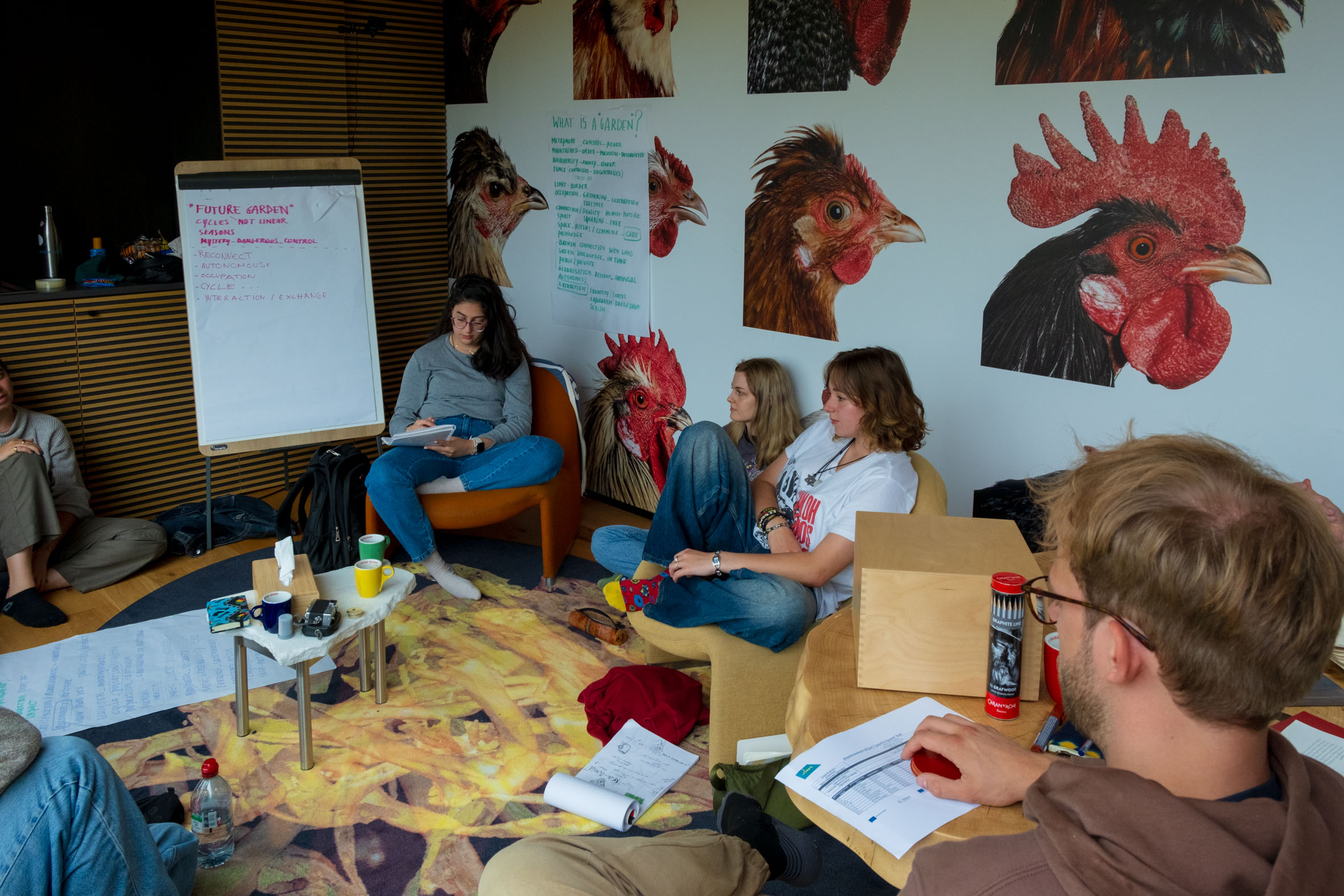
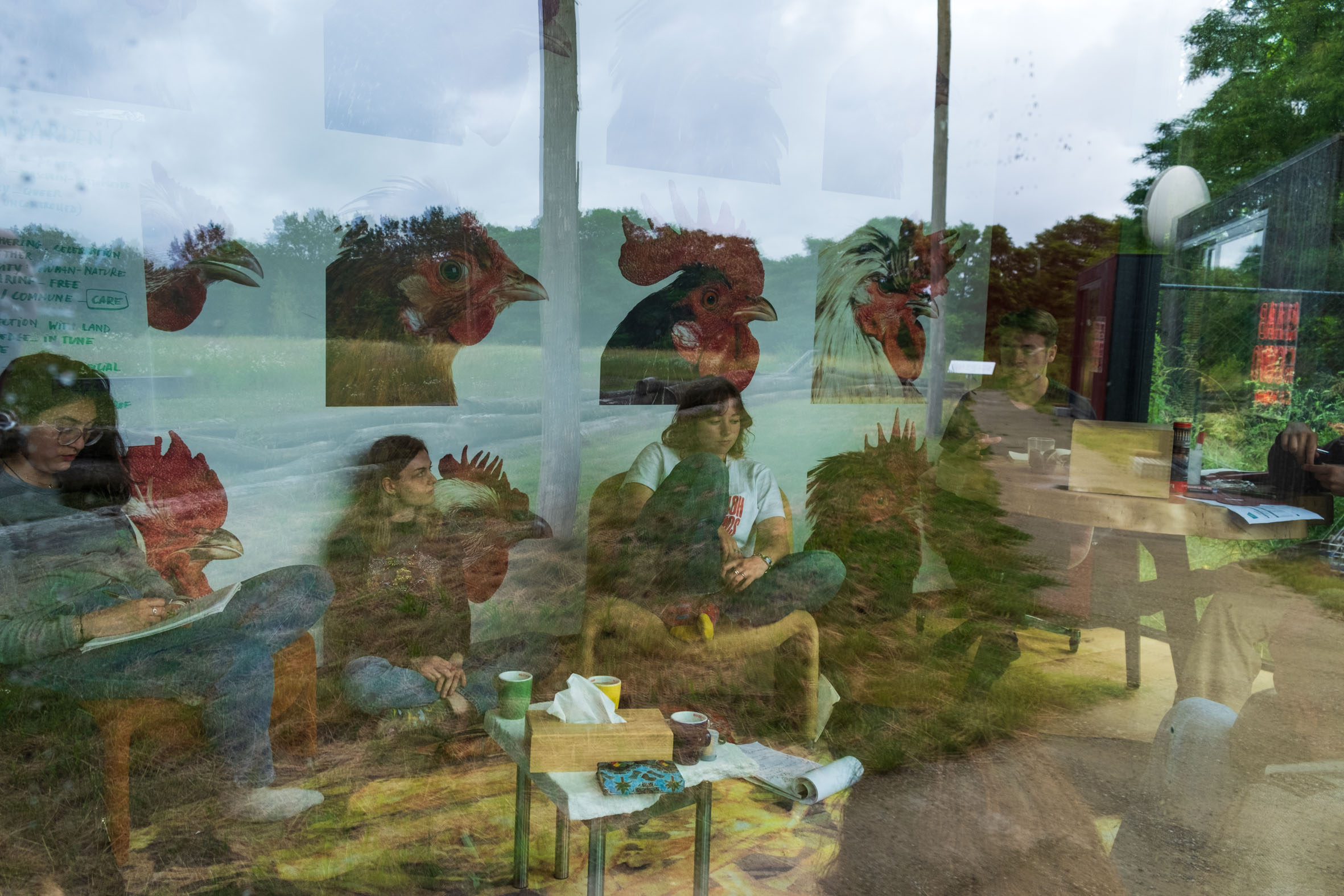
In a world where the Anthropocene looms large and dystopian narratives hold sway, the Future Garden project at LABIOMISTA stands out as a beacon of hope, a testament to our resilience. As a part of the fourth chapter of ‘The Unthinkable Experiment,’ Future Garden invites us to envision a vibrant, green counterbalance to the prevailing fears and uncertainties of our times.
Dystopian art, with its gripping tales of societal collapse and technological tyranny, often mirrors the darkest facets of our current reality. These narratives, while cautionary, risk cementing a sense of hopelessness, paralyzing us into a fatalistic acceptance of our doomed trajectory. However, the Future Garden project, with its emphasis on sustainability, inclusivity, and ecological stewardship, offers a stark contrast to this narrative, filling us with hope and optimism about its potential to steer us towards a more sustainable future.
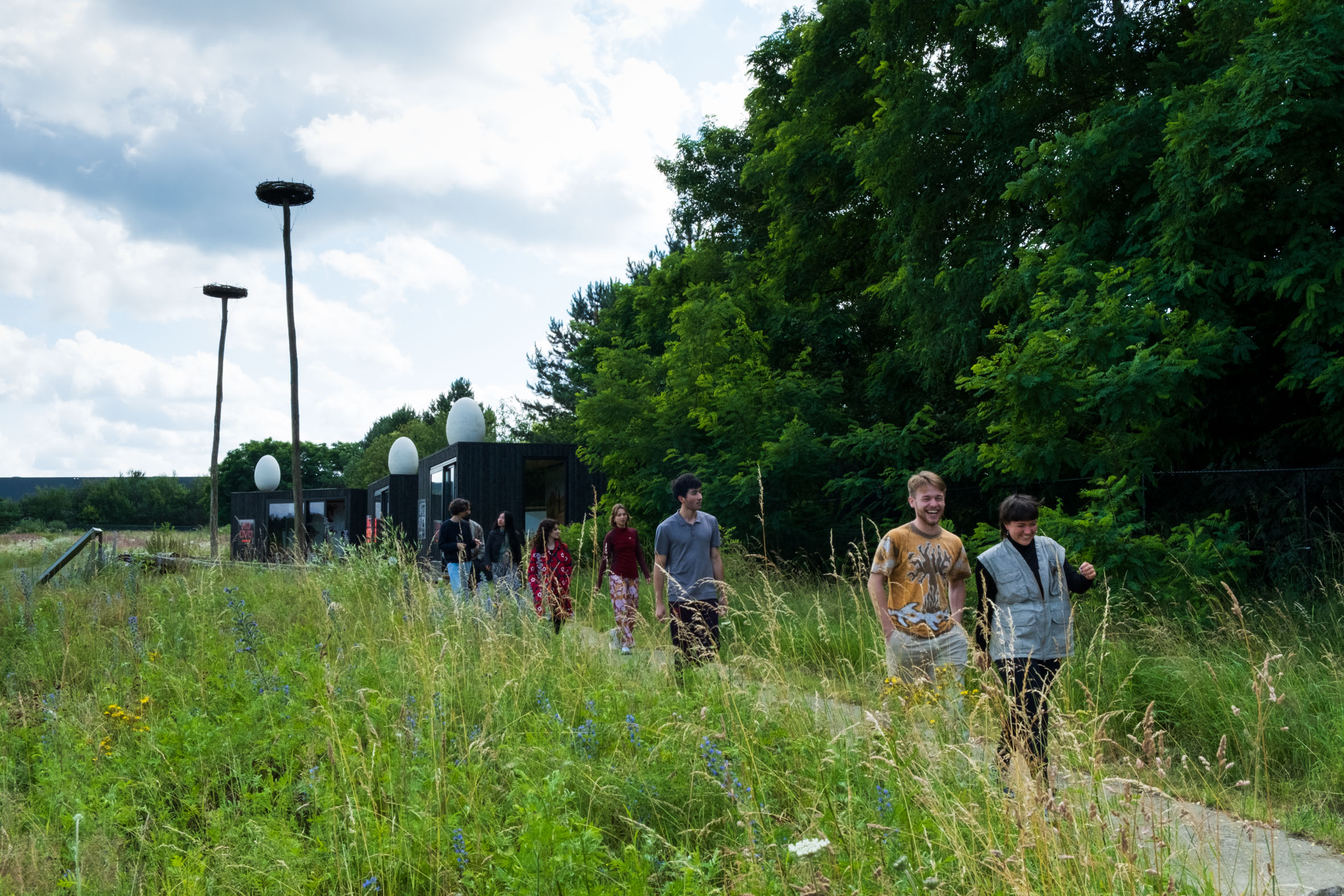
Located behind the majestic Cosmogolem statue in LABIOMISTA’s culture park, the Future Garden is more than just a physical space. It’s a living testament to the power of art and nature, a visionary concept brought to life by artist
Koen Vanmechelen.
The garden is not just a standalone project, but a reassuring catalyst for a wider environmental rejuvenation. It’s part of Vanmechelen’s LaVieBreede project, which envisions the integration and enhancement of the natural and cultural landscapes surrounding LABIOMISTA, creating a harmonious and sustainable environment that leaves us feeling optimistic about the future.
At the heart of Future Garden’s mission is the active engagement of young minds in the urgent task of rethinking our relationship with the planet. Gardens, often perceived as benign and virtuous, can symbolise privilege and exclusion. As Olivia Laing reflects in her essay “Gardens of Good and Evil,” the pandemic highlighted how gardens could become havens of privilege accessible to the fortunate while others were confined indoors. Historical examples, such as the gardens funded by the profits of slave plantations or the garden at Auschwitz, show how gardens can conceal dark histories and injustices.
However, gardens also have the potential to be inclusive and transformative spaces. Future Garden aims to be a place where environmental and social justice intersect. Drawing inspiration from projects like Great Dixter, where human intervention led to rich biodiversity, and urban initiatives like Grey to Green in Sheffield, transforming a traffic-heavy area into a green, sustainable space, Future Garden seeks to create a welcoming environment for all.
Future Garden at LABIOMISTA is not merely a garden; it is a manifesto for a sustainable and inclusive future. It challenges us to look beyond the shadows of dystopian fears and to embrace a vision of hope and renewal. In times of uncertainty and fear, Future Garden is a testament to the transformative power of creativity, collaboration, and ecological stewardship. By cultivating this garden, we cultivate our future—a future where humanity and nature thrive in unison.