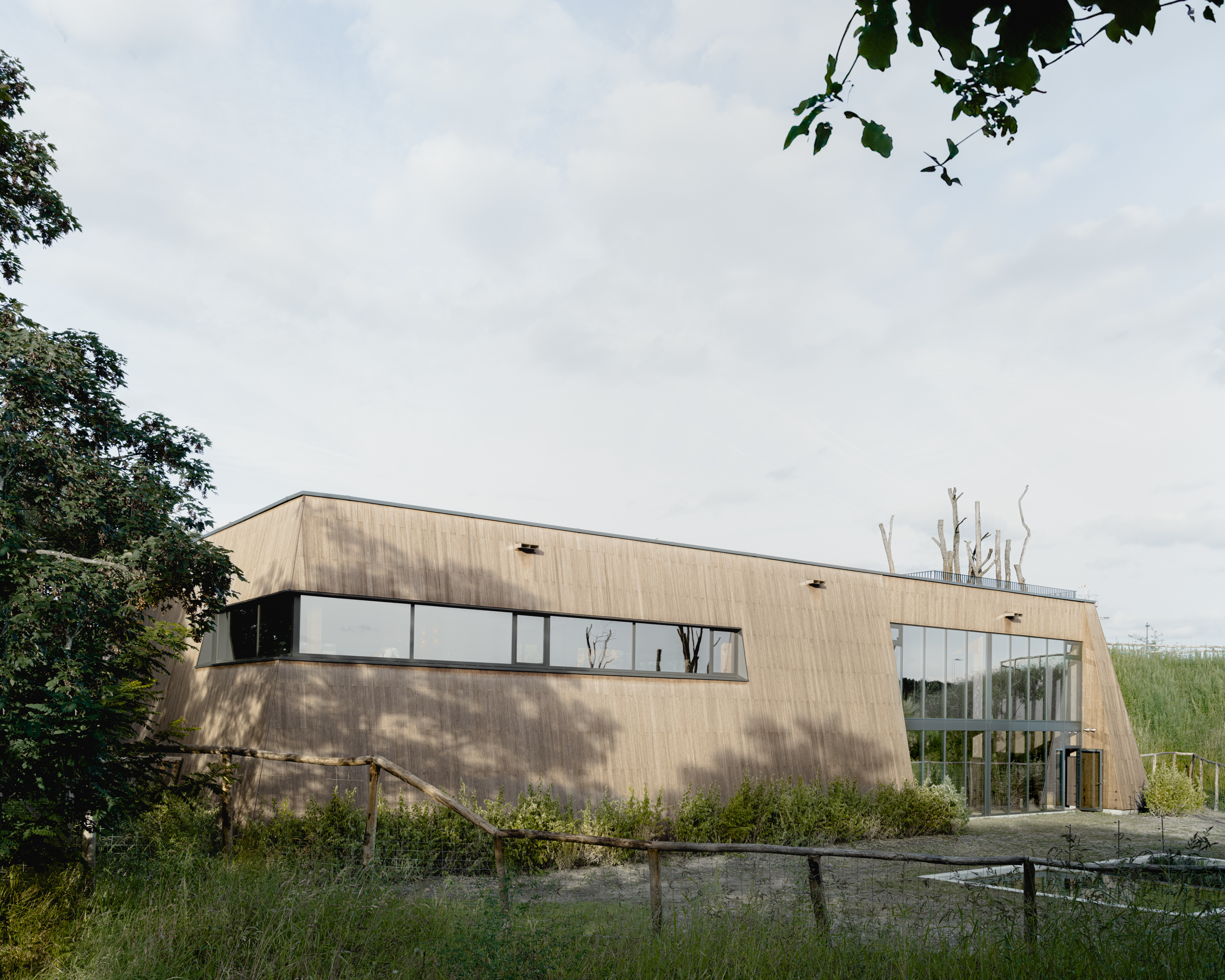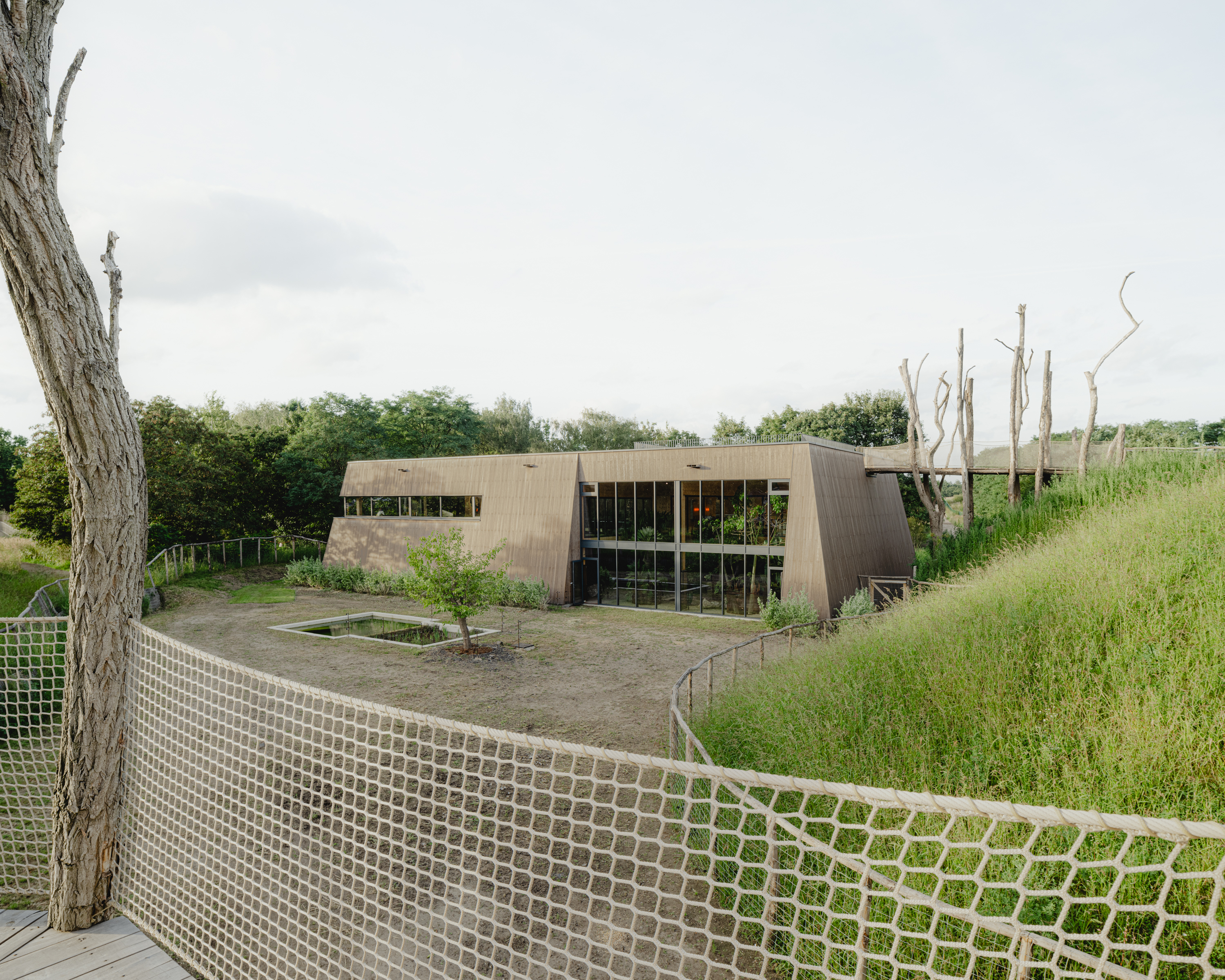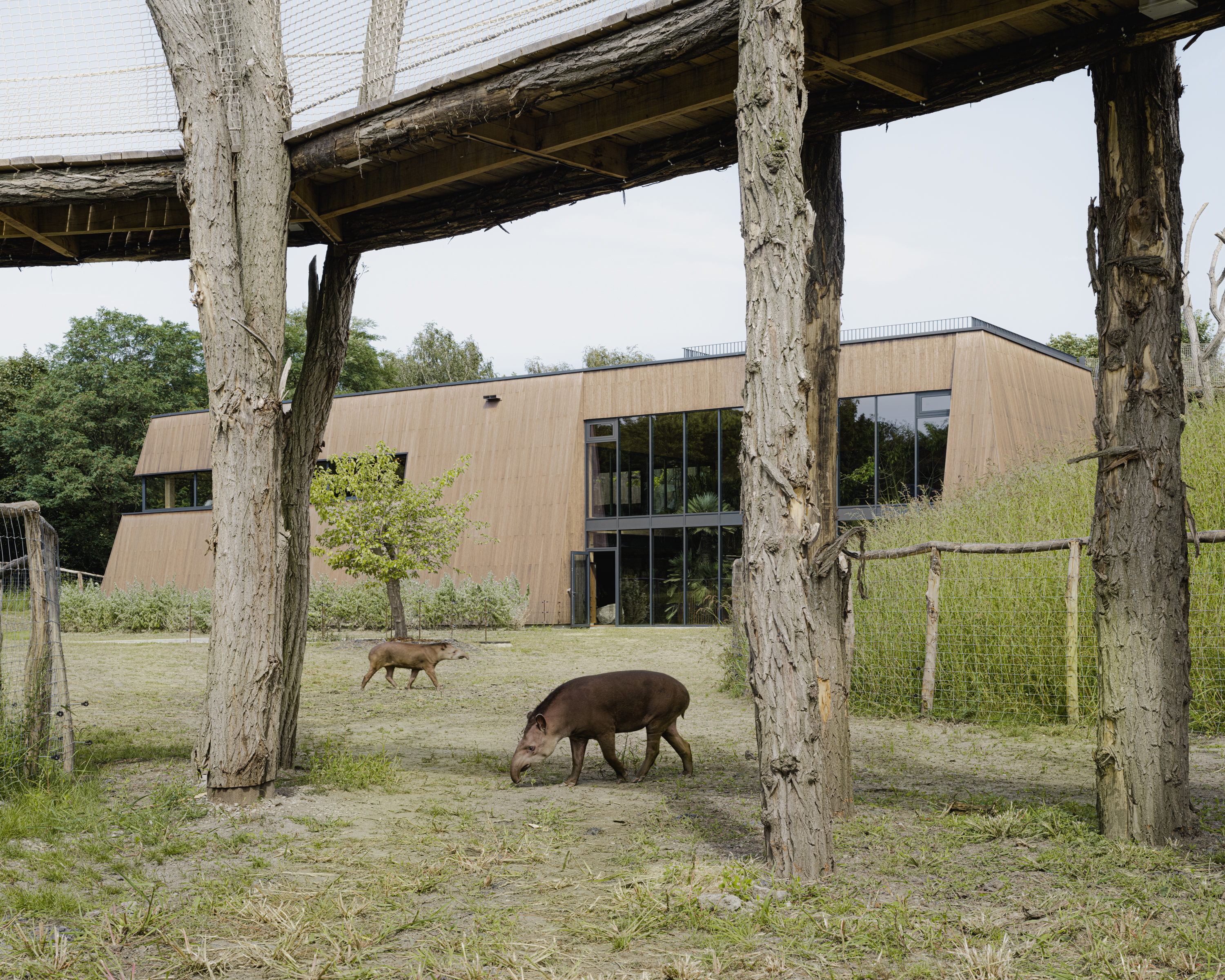
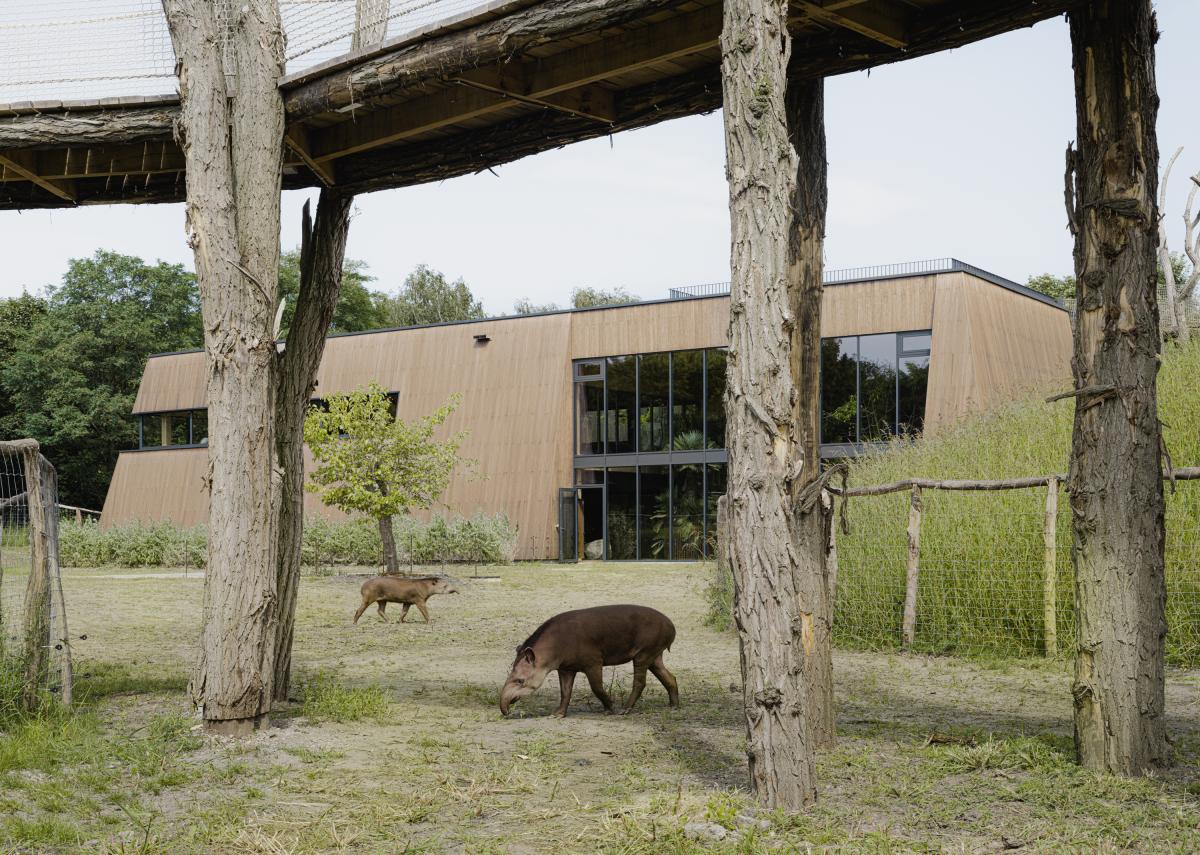
LABIOMISTA, the 24-hectare park that Belgian artist Koen Vanmechelen for the past five years has been creating as an evolving work of art centered on the mix of life, has unveiled 'Future Garden,' a new ecological complex and laboratory for the future.
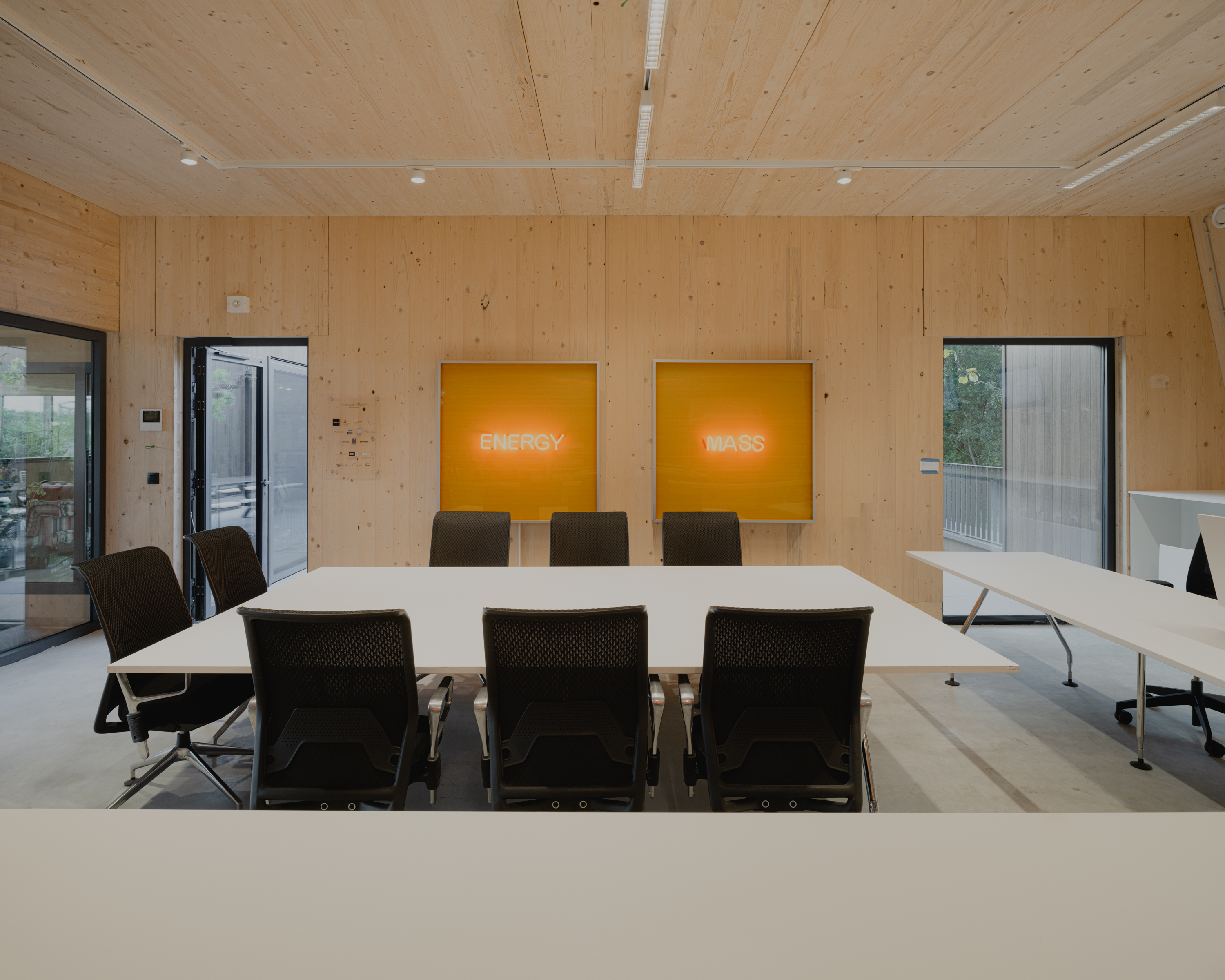
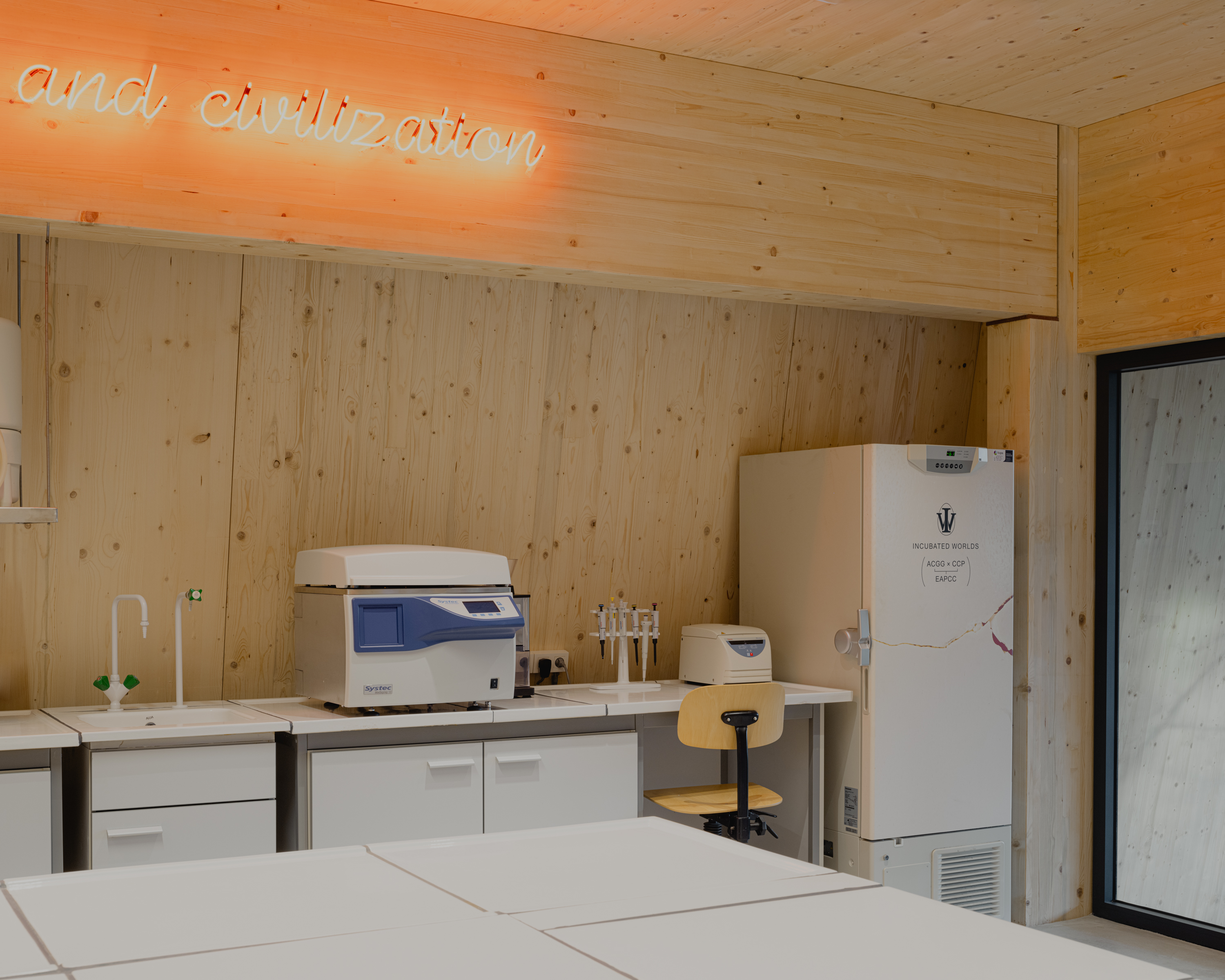
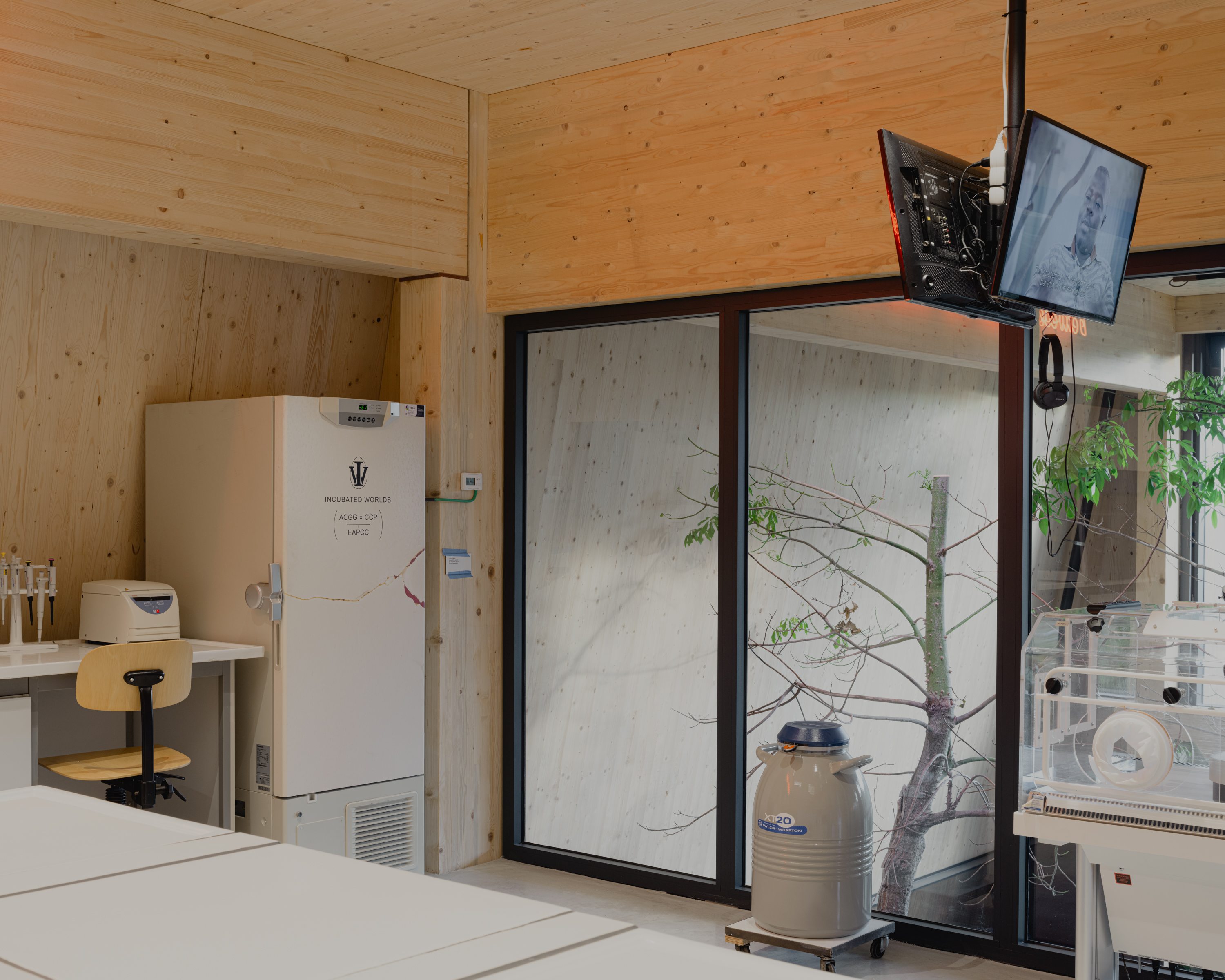
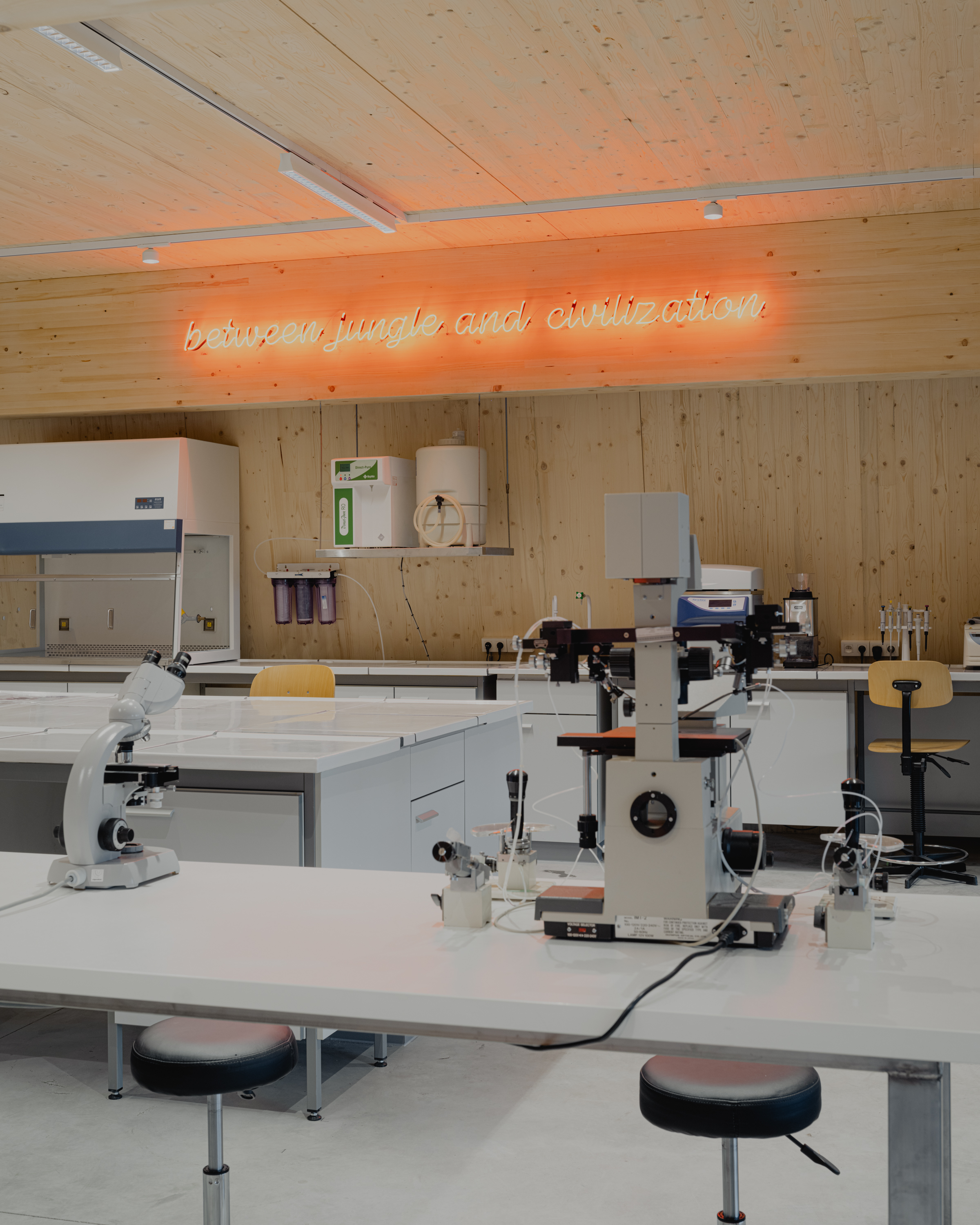
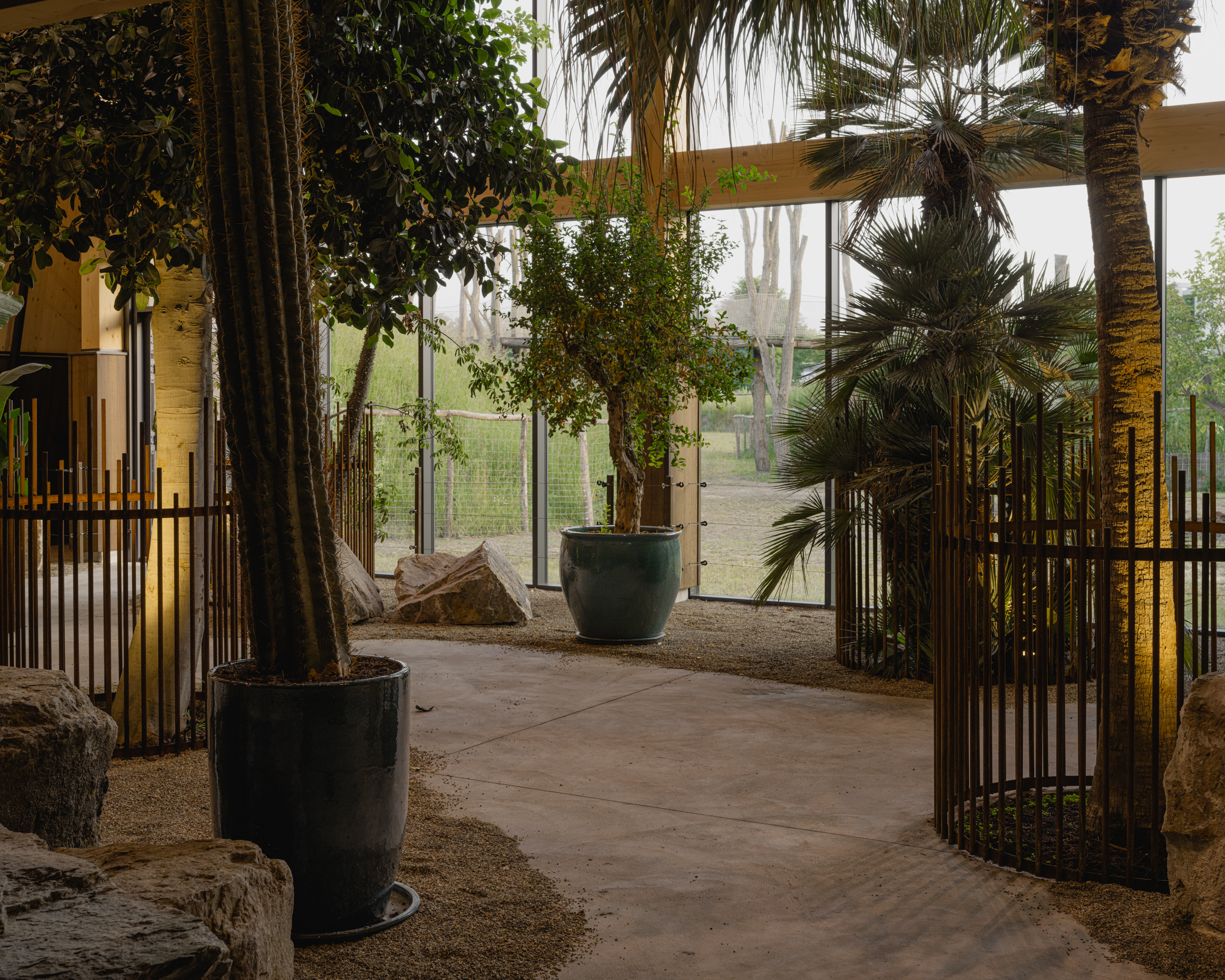
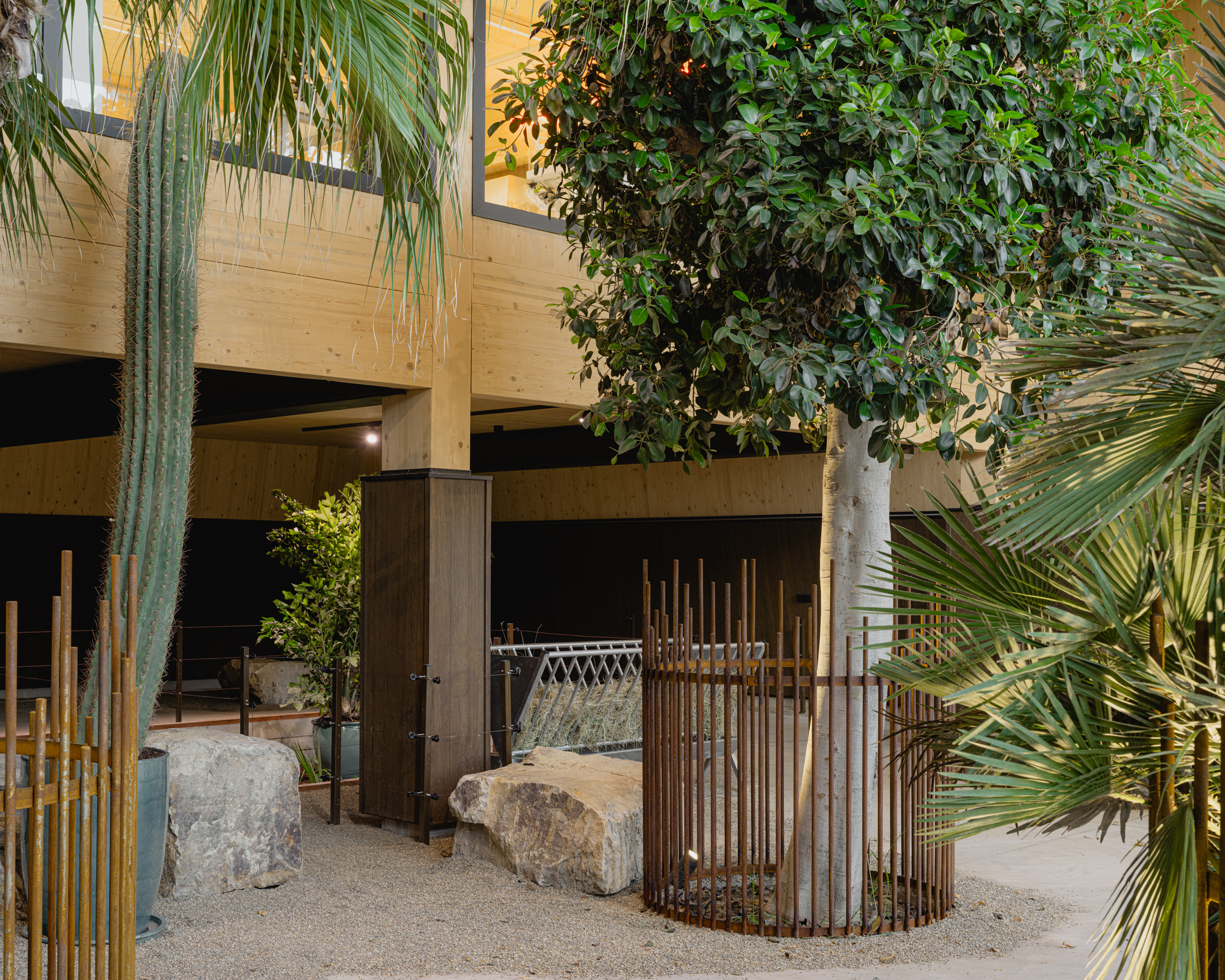
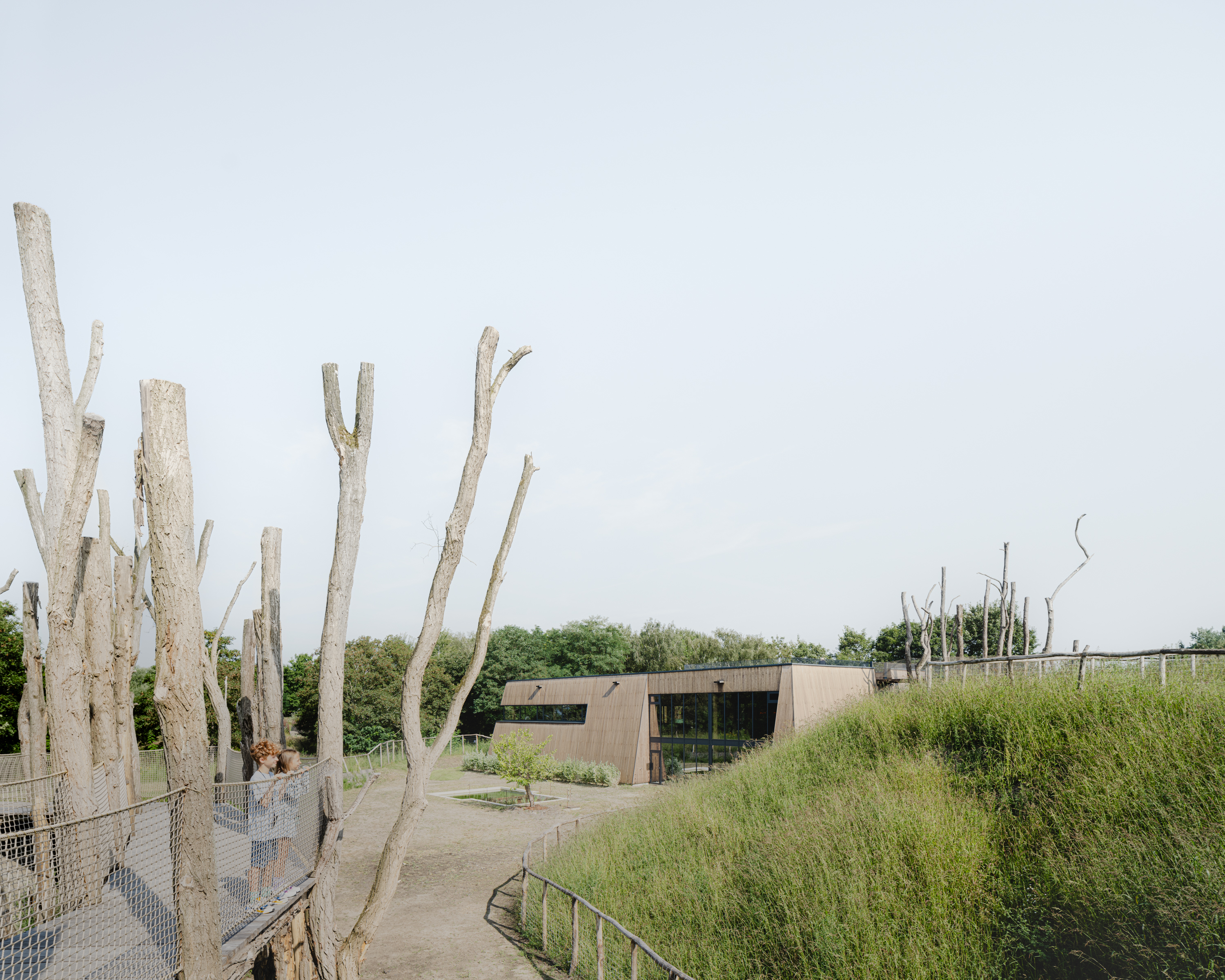
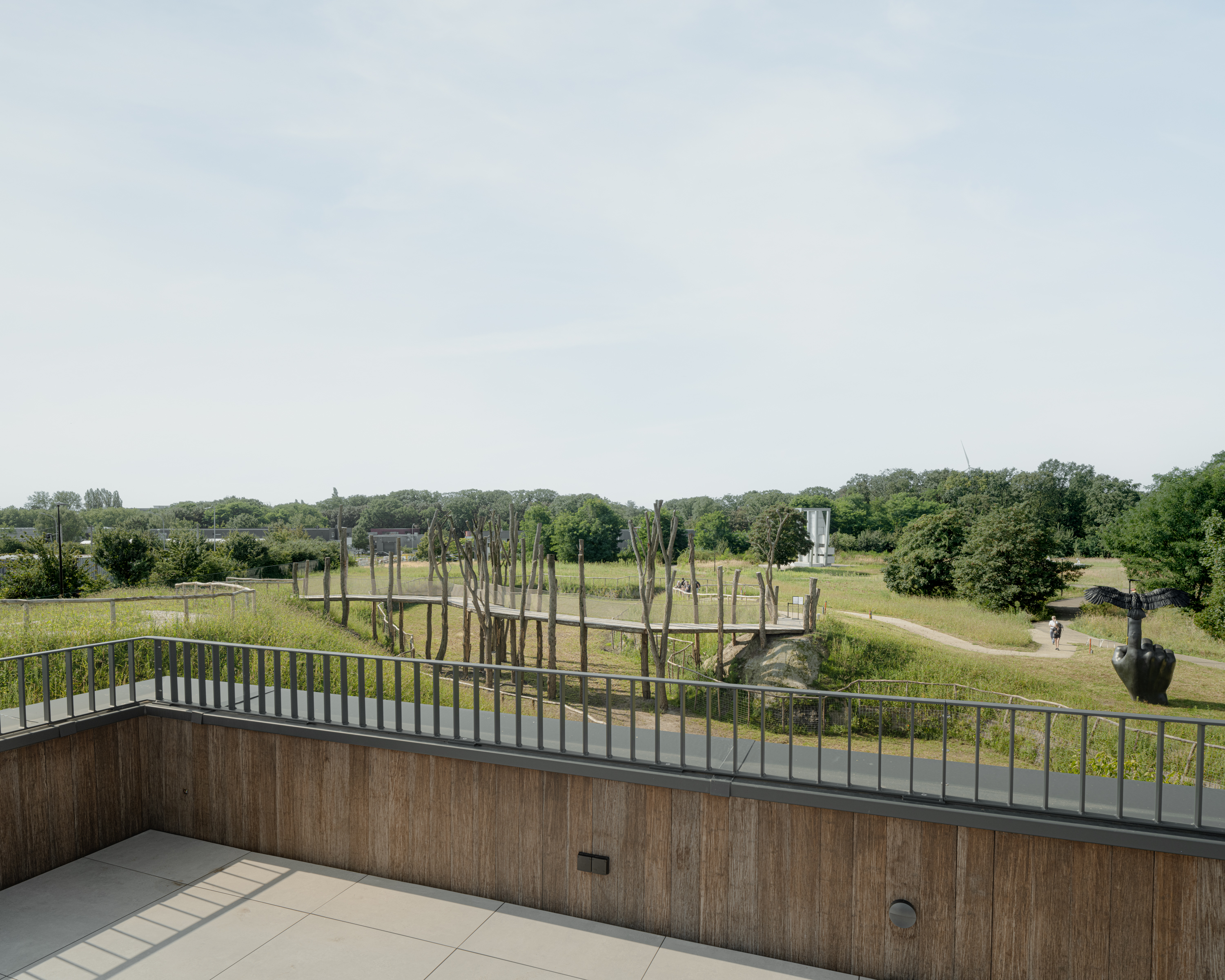
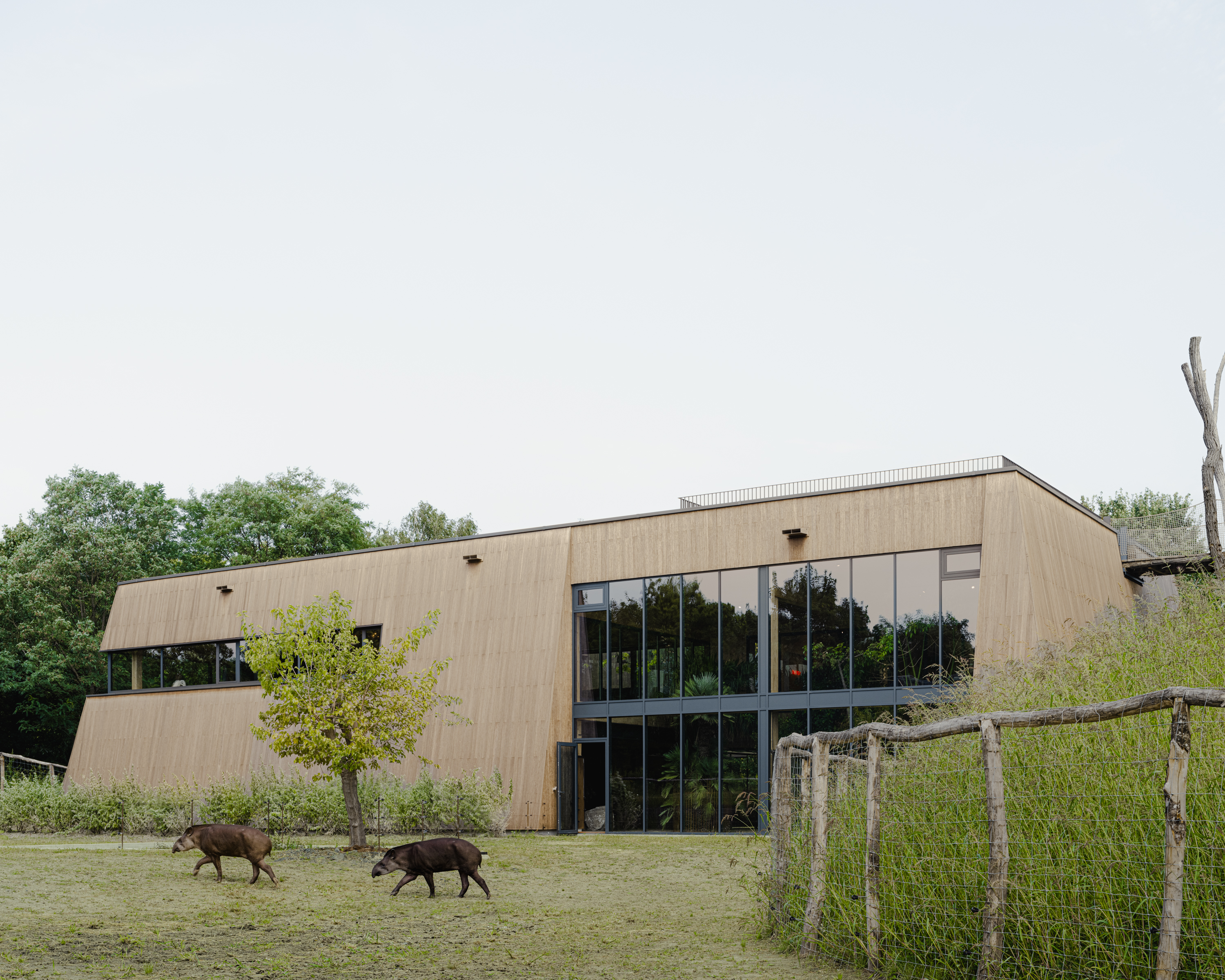
Designed by the artist himself, this energy-efficient 850 m² complex features a mastaba-like structure with a striking bridge and extensive animal pastures. It will house a pair of tapirs—an endangered species symbolizing diversity, fertility, and adaptation—along with a studio and a research laboratory.
As such, Future Garden is more than just a tapir enclosure; it will serve as a unique hub for research, dialogue, and discovery at the intersection of humans, nature, and technology. The projects developed here will contribute to the transition toward a more symbiotic society that harmonizes culture and nature, a movement Vanmechelen terms the Cosmopolitan Renaissance.
In Future Garden, humans, nature, and science converge. As we grapple with our own existence and our environment, a potential revolution takes root in our gardens, the cradle of our future.
The tapir as a guide for a new future
Undoubtedly, the most striking feature of Future Garden is the tapir enclosure and its inhabitants.
The tapir, a mammal primarily found in Southeast Asia and South and Central America, has fossils that have been discovered worldwide. For Koen Vanmechelen, the tapir embodies the essence of Future Garden. This remarkable animal represents the hybridity of life, symbolizing diversity, fertility, and adaptation. With the head of an elephant, the legs of a rhino, and the body of a wild boar, tapirs have been enhancing our planet for over 50 million years. Their unique prehensile noses allow them to excel as seed dispersers and fertilizers within ecosystems. As 'living fossils' and 'gardeners of the jungle,' they carry the wisdom of the past while planting the seeds for the future.
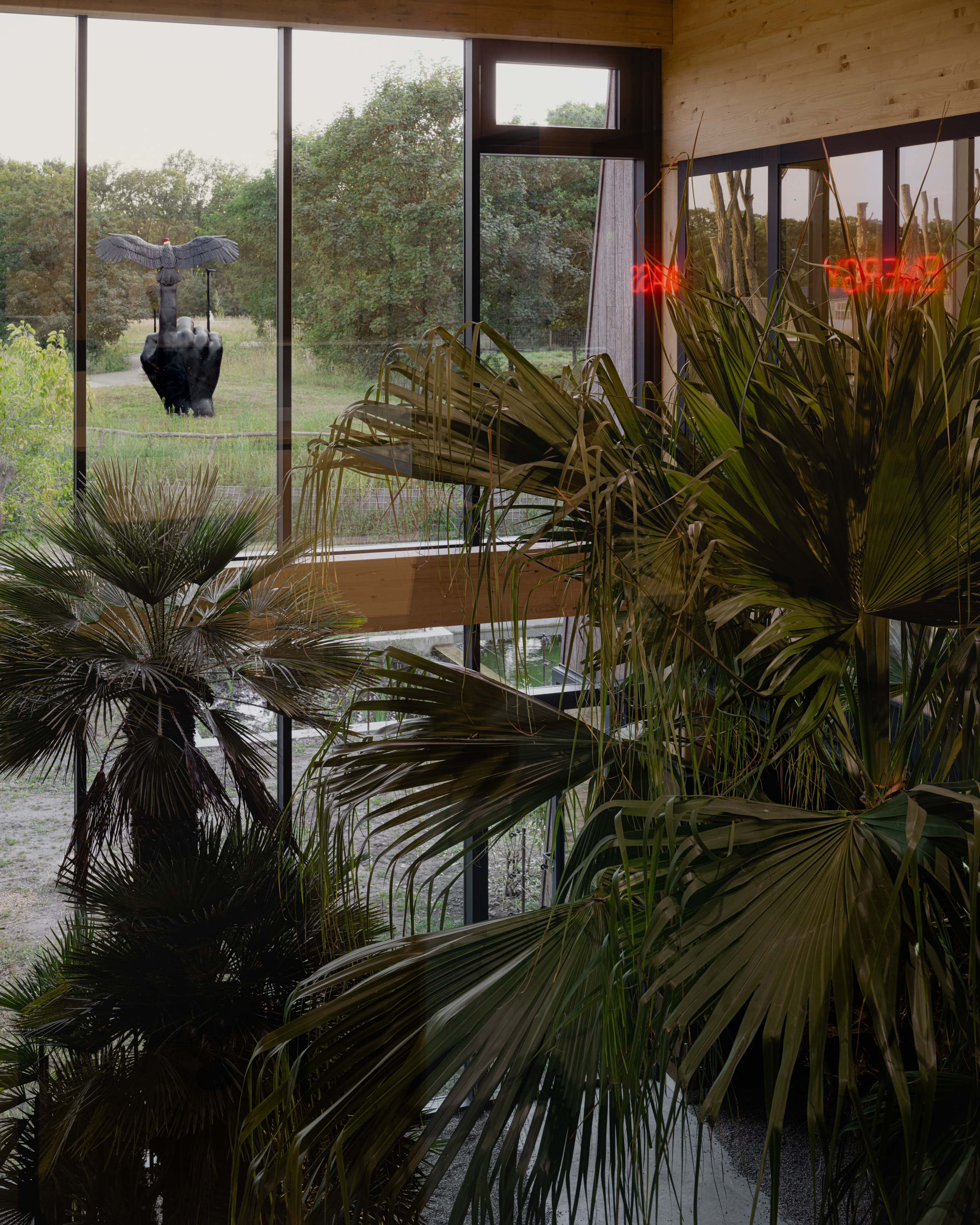
At LABIOMISTA, tapirs will enjoy a habitat of more than 2800 m2 alongside the Brown Hokkos (another endangered species from the pheasant family), also known as the lucky bird. Together with the artwork ‘See Me’—a life-size bronze condor perched on an oversized human finger—they encourage visitors to think beyond the Anthropocene.
Future Garden as a catalyst
Future Garden also serves as a catalyst for further developments in the surrounding neighborhood. In the context of LaVieBreede, an initiative by LABIOMISTA and OpUnDi Genk based on a concept by Koen Vanmechelen, efforts are being made to integrate, revitalize, and strengthen the area around LABIOMISTA.
Local communities are crucial in the pursuit of more symbiotic societies. In meetings and research, local knowledge is enriched by global perspectives and vice versa. This cross-fertilization can lead to incubators for sustainable local initiatives.